




A practical guide for couples deciding where to celebrate
Choosing where to get married is one of the most personal decisions a couple can make. For those drawn to Lebanon — for its food, its landscape, its culture, or its family ties — the question of whether to celebrate in Beirut or Dubai is worth thinking through carefully. Both countries offer genuine appeal. Both come with real trade-offs. Here is what you need to know.
The Feel of the Celebration
In Lebanon, a wedding is a village event, even when the village is Beirut. The zaffe, the traditional procession with drumlines, dabke dancers, and ululations filling a courtyard or ballroom entrance, sets an emotional tone that is very hard to replicate anywhere else. There is a living culture around weddings: the arak at the table, the long tables of mezze, the band switching from Fairuz to Bruno Mars at midnight. The Lebanese wedding experience is embedded in a social fabric that takes generations to build.
In the UAE, Dubai has established itself as a genuine destination for weddings of every style. Hotel ballrooms and resort venues are world-class, and the city draws couples from across the region and beyond. The production quality available in Dubai, from florals and lighting to sound and catering, is genuinely exceptional. For couples who want a cosmopolitan celebration in one of the world’s most connected cities, Dubai delivers.
Wedding Season and Venues
Lebanon’s peak season runs spring (April through June) and autumn (September through early November). These months offer mild temperatures, lush mountain greenery, and the widest choice of outdoor venues. Summer (July and August) is busy too, with vendors booking up fast. Winter is workable for indoor celebrations, especially in Beirut.
Venue variety in Lebanon is remarkable: mountain resorts in Faraya or the Chouf, seafront terraces in Jbeil and Batroun, restored heritage buildings and old palaces in the Bekaa, rooftop venues above Beirut. For couples who want something intimate and atmospheric, the country offers extraordinary options.
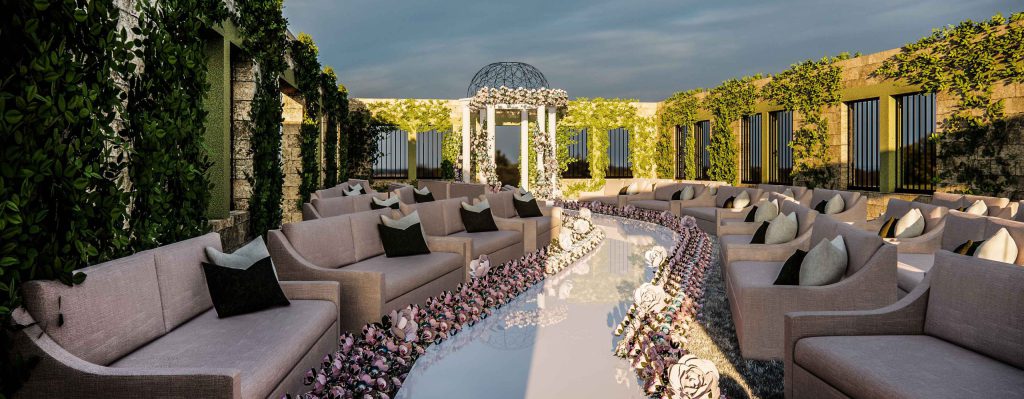
The UAE offers venues year-round, primarily indoors and air-conditioned, with outdoor events best suited to the cooler months between October and April. The choice skews toward five-star hotel ballrooms, which are elegant and reliable. Beach clubs and desert venues are available for those willing to plan carefully around the weather.
Guest List Size
In Lebanon, a mid-sized wedding is 200 to 350 guests. Extended family expectations mean many couples end up closer to 400 to 500. The social logic is different: excluding a second cousin whose mother was at your parents’ wedding is a real conversation.
In the UAE, logistics naturally reshape the guest list. Couples typically land between 100 and 250 guests, which brings real advantages in cost per head and a more intimate atmosphere. For couples who prefer a smaller, focused celebration, this can be an advantage rather than a limitation.
Budget
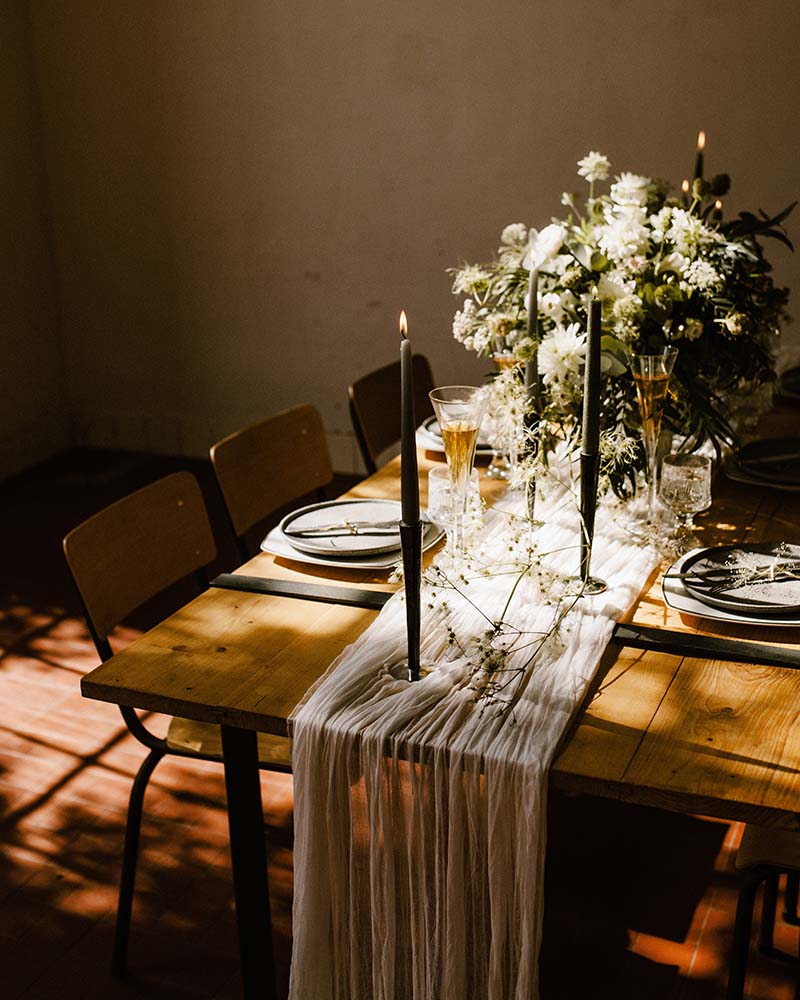
One of the most persistent misconceptions about weddings in Lebanon versus Dubai is that Lebanon is the less expensive option. The reality is more nuanced, and often reversed.
Lebanon: the wedding industry is mature and competition among vendors keeps the market active, but a premium wedding in Lebanon is not cheap. Venues, catering, and production at the high end are priced accordingly, and USD-denominated costs have become the norm for premium vendors and venues since 2019. For couples expecting Lebanon to be dramatically more affordable, this can come as a surprise.
Dubai: the picture here is more flexible than many couples assume. A well-planned Dubai wedding can come in at a price point that is simply not achievable in Lebanon for a comparable celebration. Etoile Events, for example, can plan a wedding in Dubai for around $30,000. That kind of budget is not realistic for a similar-quality event in Lebanon.
Where Dubai costs more: there are two areas where Lebanon has a genuine advantage. Serving alcohol at a wedding in Dubai requires a licensed venue and navigating the appropriate permits, which adds a layer of complexity and cost that does not exist in Lebanon in the same way. Event logistics in Dubai, including vendor permits and administrative steps, also require more paperwork than the equivalent in Lebanon. A good local planner manages all of this, but it is worth factoring in.
The Legal Side
This is where the two countries differ most substantially.
Lebanon does not have civil marriage. Every marriage in Lebanon is administered through a religious authority. Your religious affiliation determines your marriage law, including any future questions around divorce and inheritance. Some couples who prefer a civil ceremony travel to Cyprus, where civil marriages are performed for non-residents and then registered in Lebanon. This has become a well-worn path.
The UAE offers clearer legal pathways for expats. Non-Muslim foreigners can typically marry through their home country’s embassy or consulate in the UAE, or register through the UAE Personal Status Court. The process involves paperwork and administrative steps but is navigable. If you plan to marry in Lebanon and live in the UAE, your Lebanese marriage certificate will need to be officially attested for use in the UAE.
Tips for Planning a Lebanon Wedding from Abroad
If Lebanon is where you want to celebrate, these practical points will save you significant stress.
Start 12 to 18 months out. Lebanon’s best venues and most sought-after vendors book far in advance, especially for spring and autumn dates.
Hire a local coordinator early. Coordinating a Lebanese wedding from abroad is a timezone management exercise on top of an already complex planning process. A trusted coordinator based in Lebanon is not a luxury; it is the difference between managing your vendors and being managed by your anxiety.
Plan two to three visits. Budget time to travel to Lebanon specifically for wedding planning: a venue shortlist visit, a final confirmation meeting with vendors, and arrival a few days before the wedding itself.
Be clear on currency from the first meeting. USD-denominated pricing is now standard for most premium vendors in Lebanon. Confirm payment terms, deposit structures, and what happens in the event of delays.
Help your international guests. Share recommended hotels, explain visa requirements for non-Lebanese nationals, and consider how timing intersects with school calendars or public holidays if families are traveling with children.
Most essentials are available locally. Flowers, decor, stationery, and bridal wear are all available in Lebanon at high quality. The exception is very specific items with personal significance; factor in customs if you are bringing anything substantial.
Ready to Start Planning?
Both Lebanon and Dubai make for exceptional wedding destinations. The right choice depends on your guest list, your budget, and the kind of celebration you want to create.
If you are planning a wedding in Dubai, read our guide to working with a Lebanese wedding planner in Dubai. Etoile Events works across both countries and can help you understand what is possible in each. See all of our wedding planning services.
Contact Etoile Events to start planning your wedding.
Etoile Events is a luxury event planning company based in Lebanon, working across Lebanon and the UAE.